
Sunday, May 2, 2010
Dance Therapy...no side effects...statistics show treatment...why not?
Although dance therapy goes unnoticed in much of American society today, it is definitely growing quickly and spreading across many nations. In order to spread the idea of dance therapy, we need to publicize it just like prescription drug companies do in our every day lives. There need to be commercials interrupting our favorite television stations and advertisements in the magazines that we purchase weekly and/or monthly. If people do not hear about it, then they will not know how effective dance therapy as an alternative medicine truly is. Dance therapy comes with no lasting side effects and has no addiction statistics. Of course DMT takes a few sessions to work and does take some time to show results, but as far as your health goes I think that it will be okay if you wait just a few weeks instead of ruining the lining of your intestines or better yet, save the prescriptions for a disease that needs rapid treatment. As with many prescription medications, your body becomes immune to the drugs and does not show much response. Dance therapy yet again, does not come with this side effect.

Living with a terrible disease that dance therapy can help..
After watching this video you will see first hand how Dementia and Alzheimer's effects not only the patients life, but also their family and friends. Dementia and Alzheimer’s are two extremely life altering diseases which have no known cure so it is unbelievable that the dance and movement intervention noted that dance therapy has shown statistical improvements in these patient's lives! Although no measurable changes in memory occurred, self-care and planning tasks are a huge step in the right direction for memory loss patients such as those diagnosed with Alzheimer’s. More information and improvements on dance movement therapy intervention programs are rapidly occurring across the globe and hopefully we will see more progress in geriatric care using dance and movement therapy.
Improvement for Dementia Patients!
As many as 5.3 million Americans are living with Alzheimer’s disease across the globe (Alzheimer’s Association) and even more are affected with other types of dementia. The Journal of the American Geriatrics Society did a study on the effects of dance and movement therapy, also known as DMT, on Alzheimer’s and other dementia patients. The DMT intervention on the Alzheimer’s and dementia patients consisted of nine sessions that lasted about thirty to forty- five minutes each and the intervention also consisted of a control group that spent the same amount of time (thirty to forty five minutes) in nursing home activities. At the end of the study the dance and movement intervention group had improved slightly while the control group did not improve at all. The DMT group greatly improved in the tasks of visuospatial ability and planning whereas the control group remained unchanged. Visuospatial abilities include: stimulus recognition, mental rotation of objects, and determinations of relationships between stimuli (Community Transitions). There were no noticed or significant changes in memory in either group, but the dance movement therapy intervention group also showed large improvements in the areas of self-care and cognition. Self-care consists of daily tasks such as remembering to brush your hair or take your medications and cognition may include things such as perceiving, thinking, reasoning, and analyzing (Children’s Hospital of Boston).
What do I have to do to be a dance therapist?
Dance therapists work with people who require special psychotherapeutic services due to a variety of disorders. The therapists can help patients develop coordination, correct problems with mobility, and improve on a number of other things. Not only must a dance therapist have a strong background in dance, but they must also have a sense of psychotherapeutic services and human development. Dance therapists should also obtain a bachelor's or master's degree in a related field such as kinesiology or psychology. They can be employed at a number of different facilities including psychiatric hospitals, clinics, day treatment programs, community mental health centers, developmental centers, correctional facilities, special schools, and rehabilitation facilities (Miller). Dance therapists have made a huge impact on thousands of patients with their knowledge and skills, but one field has shown significant improvement after they worked with dance therapists using dance movement therapy.
Are drugs the only treatment?
Alternative forms of therapy include music therapy, animal therapy, and dance movement therapy. All though many forms of these alternative treatments have shown much improvement over the past century, in my opinion the most effective is dance movement therapy. Dance movement therapy has made rapid progression over the last few years and it is finally getting the right level of recognition it has earned for the impact that it has made in the treatment of many different types of illnesses. From counseling to psychiatric problems, dance therapy has been the medicine for many patients across the world and across America.
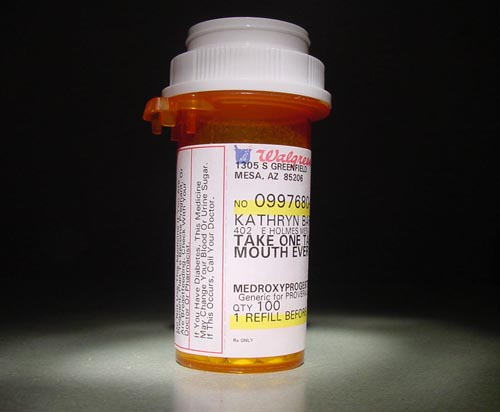
Just like we have all heard commercials with the rapidly speaking woman talking about side effects, we have all also read the small print labels on the back of the medicine bottle so it is of no knew news to us that prescription drugs come with an abundance of side effects. Each specific medication comes with its own assortment of repercussions, but stomach lining problems and addiction are across the board with all medications. Not only does this include prescription drugs, but this also includes over the counter medications that people consume every day. These over the counter pain medications are known as non-steroidal anti-inflammatory drugs, or NSAIDS, and cause a number of stomach issues (along with other issues) to patients who use them consistently. Ulcers are one of many stomach concerns that are caused by overuse of NSAIDS and these ulcers can lead to internal bleeding in patient’s stomachs, perforation, and obstruction in the stomach lining (The American College of Gastroenterology). The American College of Gastroenterology even specifically states in an article written about NSAIDS and their effects on the human body that “NSAID induced gastrointestinal side effects can be reduced by using alternative therapy.”
Are prescription drug commercials focused on the right thing?
After watching that thirty second commercial what do you remember the most? Like most people, all you probably took from that commercial was that Nasonex treats congestion. Can you recite the five side effects that the woman stated in three seconds? Likely you did not hear that taking Nasonex comes with the risk of head ache, viral infection, nose bleed, sore throat, and coughing. Prescription drug commercials all have a few characteristics in common including the rapidly talking narrator that lists the side effects (the most important part that a consumer needs to know), music in the background to distract the consumer from the side effects, and a funny or cute person/animal to attract the audience. With medicine being such an important part of many American’s daily lives, prescription drug companies need to take into more consideration of their consumer’s health rather than simply selling a product. The abuse of prescription pain killers ranks second- behind marijuana- as the Nation’s most prevalent illegal drug problem (The White House Office of Drug Control Policy); it poses a lot of health risks, can become addictive, and human beings often become immune, or their bodies will stop responding, to certain drugs after numerous doses. Even though the warning signs are obvious, still many doctors continue to prescribe frequent amounts of medications that are completely unnecessary to the patient. We can all assume our different assumptions as to why doctors continue to do this, but we should all take up the initiative to find alternate forms of treatment. Dance therapy, among numerous other forms of alternative treatments, often goes unheard of but continues to make improvements in the prevention and treatment of a variety of illnesses.
Subscribe to:
Comments (Atom)